
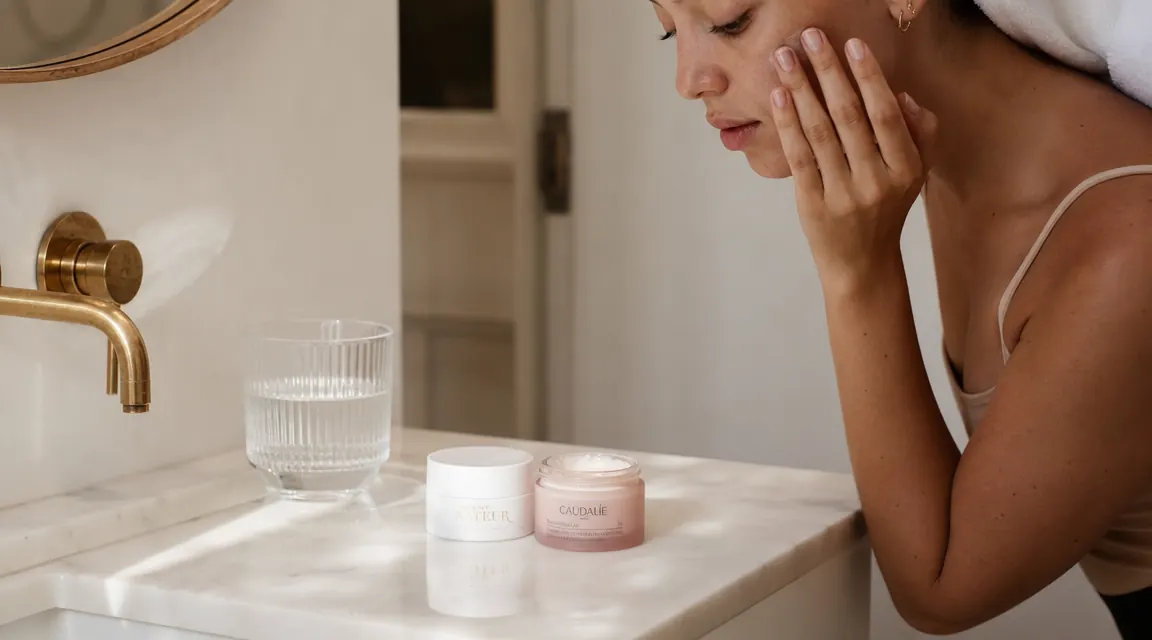
If your skin is not responding the way you want it to, the most likely reason is not the products you are using. It is the order, the timing, and the gaps between steps. I spent seven years behind the treatment chair as an esthetician, and the number one thing I saw in almost every new client file was the same: a collection of products, not a routine. Great serums that were never fully absorbed because a heavy cream went on first. Retinol applied over dry skin that had not been properly cleansed. Moisturizer skipped at night because someone read online that your skin needs to breathe. The products were often fine. The sequence was the problem. The routine I am about to walk you through is anchored around Olay Regenerist Micro-Sculpting Cream, the moisturizer I recommend most often for this purpose.
Building a solid routine for firmer, more hydrated skin is not complicated, but it does require doing a few things in the right order, at the right time of day, with products that work together rather than against each other. This guide walks through exactly that, step by step, morning and evening, with the reasoning behind each move. I will also share the one moisturizer I recommend most often as the anchor of any skin-firming routine for mature skin, because it keeps coming up in my notes for good reason.
Still looking for a moisturizer that actually fits into a routine without clogging pores or pilling under SPF?
Olay Regenerist Micro-Sculpting Cream is the fragrance-free option I have recommended more than any other. Over 24,000 Amazon reviews, 4.6 stars, and a peptide-and-niacinamide formula that layers cleanly under sunscreen every morning. Check the current price below.
Amazon Check Today's Price on Amazon →Why Most Routines Do Not Work
Before we get into the steps, it is worth naming the most common mistakes I see, because they tend to cancel out even good products. The first is layering order. Skincare goes thinnest to thickest, with water-based products before oil-based ones. If you apply a rich cream before a serum, the cream creates a physical barrier and the serum never makes contact with skin. The second mistake is inconsistency: using a product for four days, deciding it is not working, and switching to something else. Most active ingredients, including peptides, niacinamide, and retinol, require four to eight weeks of consistent use before the skin visibly responds. The third is skipping moisturizer at night out of fear of heaviness. Night is when your skin does most of its repair work. Skipping that layer means starving the process.
The good news is that all three mistakes are easy to fix with a clear structure. Once the routine is in place and you stay consistent for six weeks, most people notice real differences in texture, plumpness, and the overall tone of their skin. Not a transformation, but a steady, noticeable improvement. That is a realistic expectation, and in my experience it is what actually keeps people on a routine long-term.
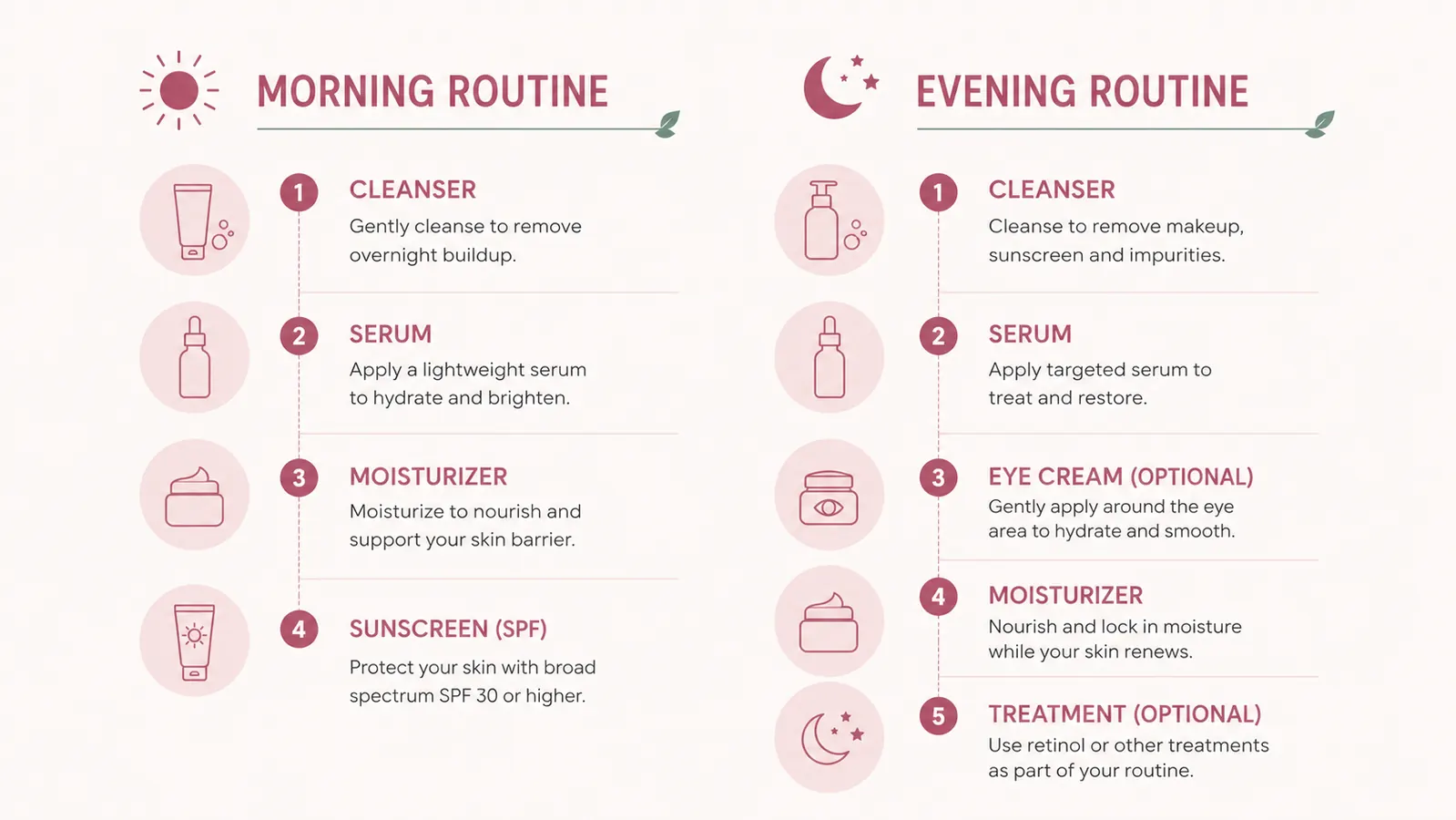
Step 1: Cleanse Gently, Morning and Evening
Every routine starts with a clean surface. In the morning, your skin does not need a deep cleanse since you have not been outside, but it does need to clear the oils and any product residue that accumulated overnight. A gentle, non-stripping hydrating cleanser does this without disrupting your skin barrier. In the evening, you are removing sunscreen, environmental debris, and any makeup. If you wore mineral sunscreen, a double cleanse (first an oil cleanser or micellar water, then your regular cleanser) ensures nothing is left behind. Leftover sunscreen is one of the most overlooked causes of congestion in mature skin.
The key word here is gentle. For skin that is working on firming and renewal, you do not want anything with sulfates that leaves that tight, squeaky feeling. That feeling signals barrier disruption, not clean skin. Look for hydrating cleansers with ceramides or hyaluronic acid, or a creamy balm formula for the first step of a double cleanse. Pat dry with a clean towel and move to the next step within 30 seconds while the skin is still slightly damp. That dampness helps the next product absorb more efficiently.
Step 2: Apply Your Treatment Serum (Evening Only)
In the evening, after cleansing, is when you apply your most active product. For skin that is focused on smoothing texture and supporting cell renewal, that typically means a retinol or retinoid serum. Retinol is the most researched ingredient available over the counter for improving the look of fine lines, uneven skin tone, and loss of firmness in mature skin. It works by encouraging faster cell turnover, which sounds straightforward but takes patience. Most people see the first visible results around week six to eight of consistent nightly use.
If you are new to retinol, start with a low-concentration formula and use it two to three nights per week rather than nightly for the first month. This lets your skin adapt and dramatically reduces the peeling and sensitivity that cause people to give up too soon. Wait for the serum to fully absorb, about two minutes, before moving to moisturizer. Applying cream on top of still-wet serum can dilute it and reduce how much active ingredient actually makes contact with skin.
In the morning, skip the treatment serum and focus on protection instead. Retinol is photosensitive, and vitamin C serums, while popular in morning routines, are best suited to people who have already mastered the basics and know how their skin reacts. If you are building a routine from scratch, keep mornings simple: cleanse, moisturize, SPF. Add actives once the foundation is solid.
Step 3: Apply Your Moisturizer
This is the step most people treat as optional, and it is the one that ties everything together. Moisturizer does two things in a firming routine. First, it seals in the hydration and actives you have applied underneath. Second, it delivers its own ingredients to the skin, which in a well-formulated product include peptides for structural support, niacinamide for tone and barrier repair, and humectants like hyaluronic acid for plumpness. These do not replace the treatment serum. They complement it.
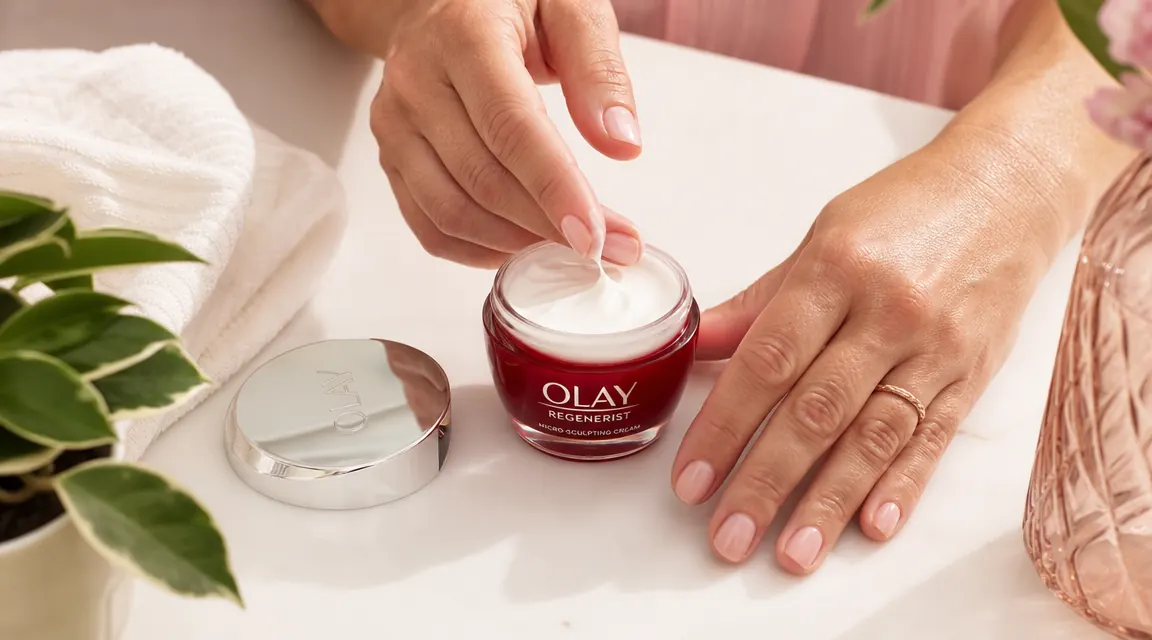
The moisturizer I come back to most consistently for mature skin is the Olay Regenerist Micro-Sculpting Cream, specifically the fragrance-free version. I first recommended it to a client in her late forties who had combination skin and kept finding that richer creams broke her out along the jaw. The Olay formula is rich enough to feel substantive but not so heavy that it occludes pores. The niacinamide content is meaningful, not just a label claim, and the peptide complex supports the overall texture work being done by the retinol serum applied the night before. After six weeks on this routine she noticed her skin held moisture through the afternoon without the midday shine she used to get. That kind of functional result is what you are looking for.
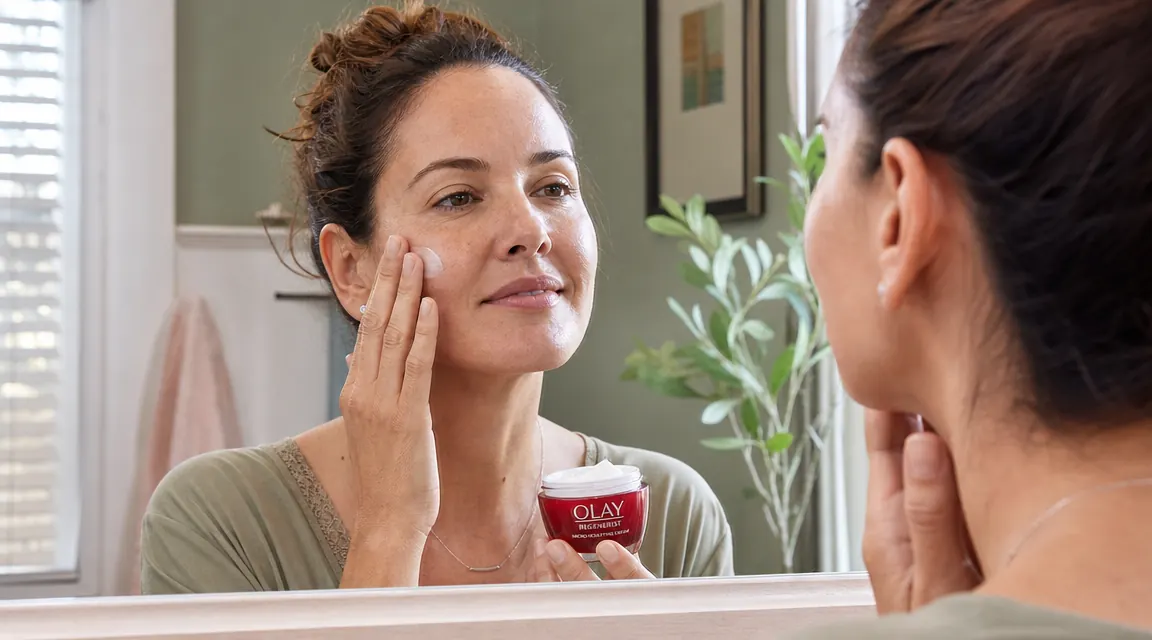
Apply moisturizer in the morning after cleansing, and again at night after your treatment serum has absorbed. At night you can use a slightly more generous amount since you are not going to apply anything over it. Use upward, lifting strokes rather than pressing or pulling downward. It is a small habit, but consistent downward pressure on skin over time is not something you want to build into your daily ritual. A pea-sized amount for the morning, a slightly larger amount at night, covering the face and not forgetting the neck.
The clients who saw the most change were never the ones with the most products. They were the ones who did the same four steps every single night without skipping.
Step 4: Apply SPF Every Morning (Non-Negotiable)
If there is one step that does more to support the long-term look of skin than any other, it is daily SPF. Ultraviolet exposure is the primary driver of visible changes in skin texture, tone, and firmness over time. Every skin-firming routine in the world is undermined by unprotected sun exposure, including on cloudy days and through car windows. This is not an optional last step. It is the step that makes the other steps matter.
Apply SPF 30 or higher as the very last step in your morning routine, after moisturizer has absorbed. Give the moisturizer two to three minutes to settle before SPF, especially if you find that your sunscreen pills over your cream. A physical or hybrid SPF formula tends to layer more cleanly over rich moisturizers than a purely chemical formula. If you wear makeup, set the sunscreen with a powder containing SPF for a light reapplication at midday.
Olay Regenerist goes on easily under most SPF formulas without pilling, which is part of why it works well as a morning moisturizer specifically. Some richer creams need 10 to 15 minutes to fully absorb before sunscreen goes on cleanly. This one is ready in about two to three minutes, which matters when you are trying to build a routine that is actually sustainable on a weekday morning.
Step 5: Add Targeted Support Gradually (Eye Area, Neck, Hands)
Once your core four-step routine is running consistently and your skin has adapted, you can begin adding targeted products for specific areas. The eye area has thinner skin and does not respond the same way to a standard face moisturizer, particularly around firmness and the appearance of dark circles. An eye cream with retinol or peptides applied after your evening moisturizer is the first addition most people benefit from. Use your ring finger, which applies the least pressure, and tap rather than rub.
The neck is the area most people forget and then wonder why it does not match their face. Your face moisturizer should always extend down the neck and across the decollete. Use the same upward strokes. If you have been skipping this area, expect it to take several months of consistency before the texture begins to catch up. That is normal. The skin there is thinner and has less sebaceous activity, so it responds more slowly.
Hands are another area worth a mention. They are exposed to the sun constantly and receive almost none of the treatment attention your face does. A hand cream with SPF applied after each wash, and a richer formula at night, makes a visible difference over time. These are small additions that most people overlook until they start comparing their face, which is getting treatment, to the backs of their hands, which are not.
What a Full Week Looks Like in Practice
A skin firming routine does not require hours. The morning routine takes about five minutes once the products are in place: cleanse, one to two minutes; moisturizer, one minute; SPF, one minute. The evening routine adds a treatment serum and runs six to eight minutes on nights you use retinol. On nights you skip the retinol, keep it to cleanse and moisturize. That is it. The key is doing it without breaks. One week off and your skin does not unlearn the routine, but the results you worked to build do begin to quietly reverse. Consistency over intensity, every time.
The clients I worked with who made the most progress were not the ones who used the most expensive products or added new steps every month. They were the ones who did the same four steps every single night without skipping, week after week, and then checked in at the eight-week mark genuinely curious rather than already convinced it was not working. Patience is a real ingredient in skincare and it is the one nobody sells you.

What Else Helps
Beyond the topical routine, a few habits have a meaningful effect on how skin looks and feels. Drinking enough water keeps the skin from working double-time to hold moisture. Sleeping on a silk or satin pillowcase reduces the mechanical friction that contributes to overnight creasing. Keeping your face out of direct sunlight between 10 AM and 2 PM matters more than any serum you can buy. And washing your pillowcase twice a week removes the oil and product residue that transfers back onto your skin every night. None of these is a substitute for the routine, but they reinforce it.
Internal Links
If you want a deeper look at the moisturizer that anchors this routine, read the full long-term review here: Olay Regenerist Review: What Actually Happens to Your Skin After 90 Days. And if you are ready to add a retinol serum to the evening step, this covers what to expect: CeraVe Retinol Serum Review: Four Months of Nightly Use on My Sensitive Skin.
You have the routine. The one thing left is a moisturizer that will not let you down at step three.
Olay Regenerist Micro-Sculpting Cream, fragrance-free, layers cleanly under SPF in the morning and absorbs without residue at night. It is the product I reach for when clients ask me where to start. More than 24,000 reviewers on Amazon give it 4.6 stars. Check today's price and see what the fuss is about.
Amazon Check Today's Price on Amazon →