
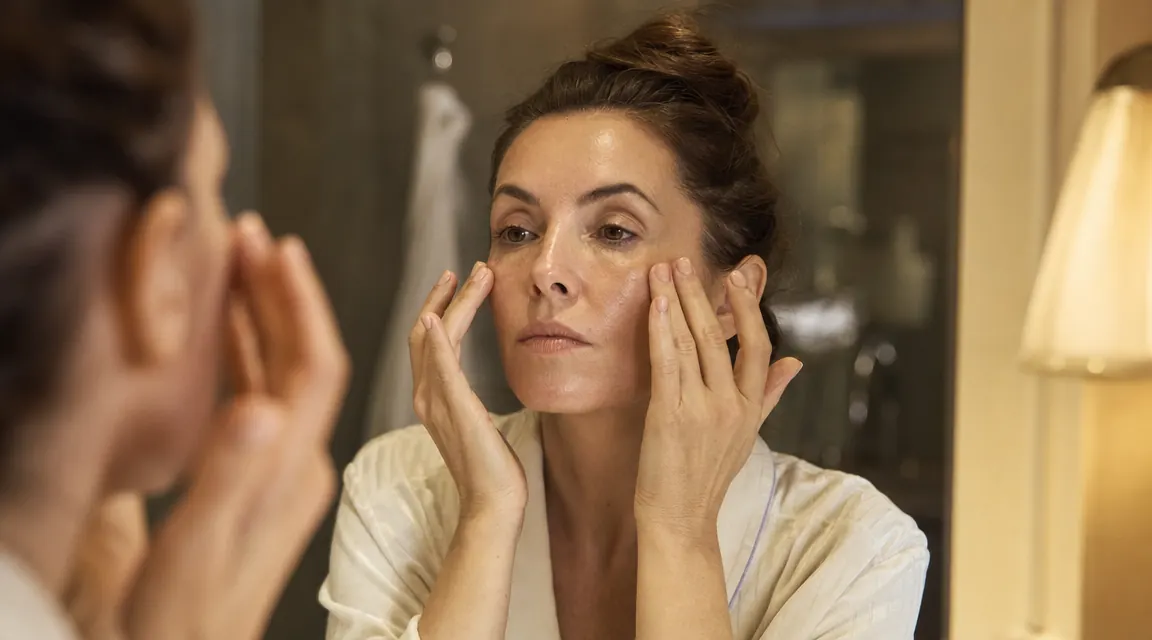
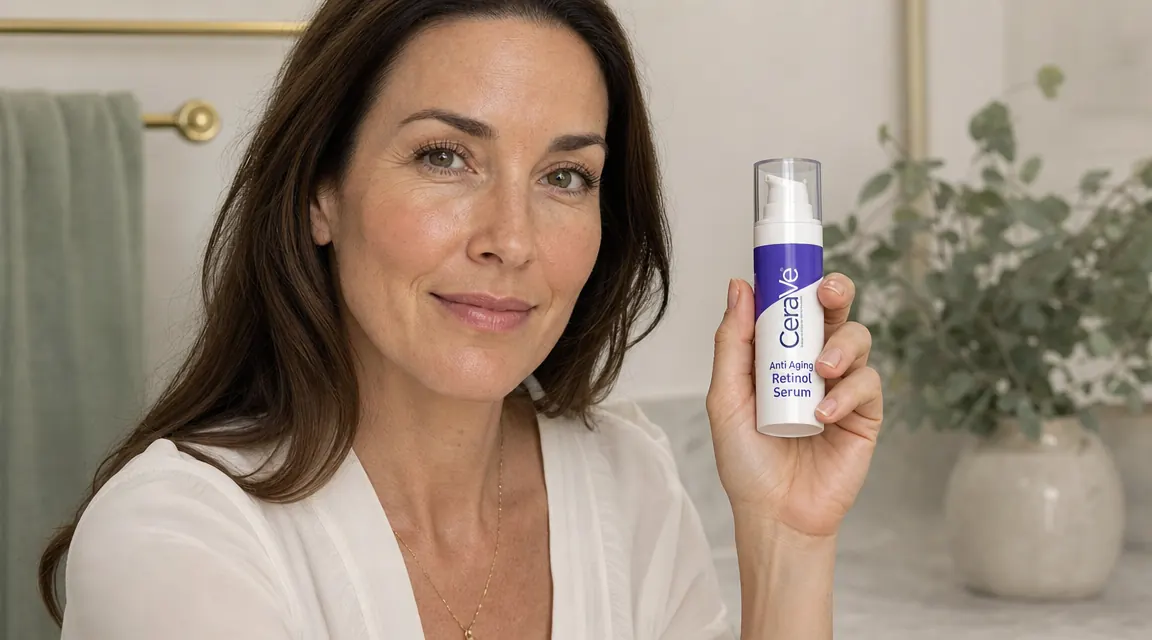
I have been working in skincare for twelve years, first as a licensed esthetician and now as someone who tests products independently so I can be honest about them without a brand paying my rent. When the CeraVe Anti Aging Retinol Serum started appearing on every "best drugstore retinol" list, I bought a bottle with my own money, used it every single night for four months on my combination-sensitive skin, and kept notes. My skin tends to react to retinol. I have had the peeling, the redness, the cystic flare around month two that makes you want to quit. So when a formula claims to be gentler because of something called encapsulated retinol, I want to know if that holds up past week three.
The short version: this serum does what it says, it takes longer than impatient reviewers expect, and it is not right for everyone. The longer version is below.
The Quick Verdict
A genuinely well-formulated retinol serum for sensitive or first-time retinol users. Results are real but slow. Worth it at this price if you commit to at least ten weeks.
Amazon Check Today's Price →If you have been putting off trying retinol because every other formula irritated you, this is the one to start with.
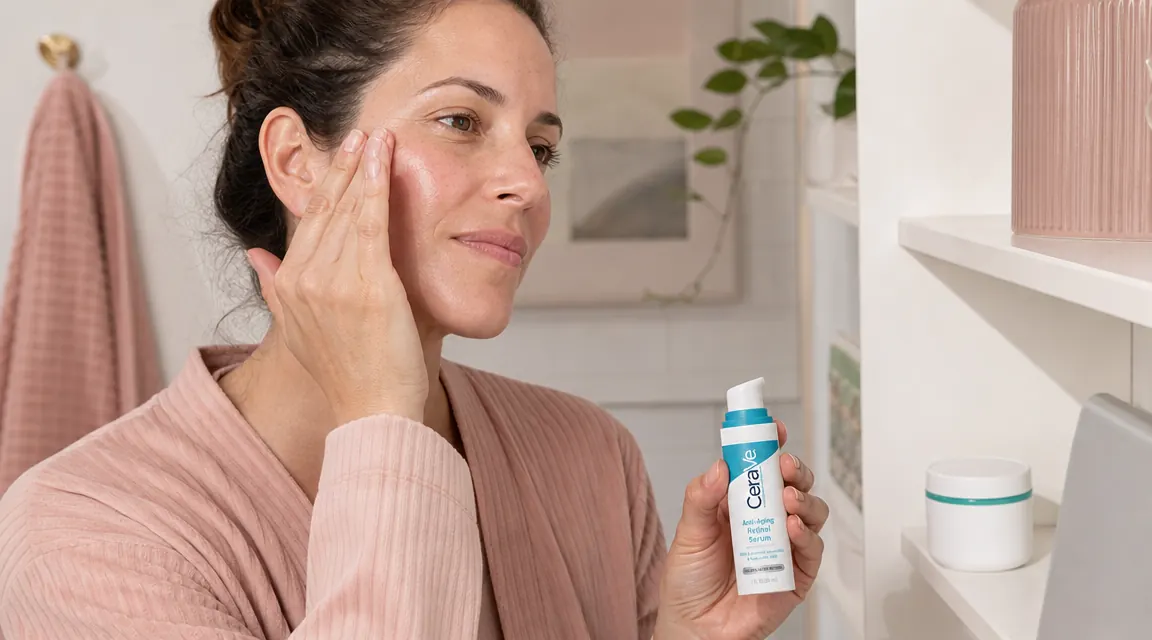
The CeraVe Anti Aging Retinol Serum pairs encapsulated retinol with three ceramides and niacinamide. It is currently one of the most-reviewed retinol serums on Amazon, with over 27,000 ratings averaging 4.6 stars.
Amazon Check Today's Price on Amazon →How I Have Used It
My testing routine was straightforward. Every night after cleansing and patting dry, I pumped two to three drops into my palm, warmed it slightly, and pressed it into my cheeks, forehead, and down my neck. I waited two minutes before applying moisturizer. I did not layer it with vitamin C, acids, or anything else active. The only variable I introduced was this serum. My mornings stayed the same: a gentle hydrating cleanser, zinc-based SPF 40, nothing else.
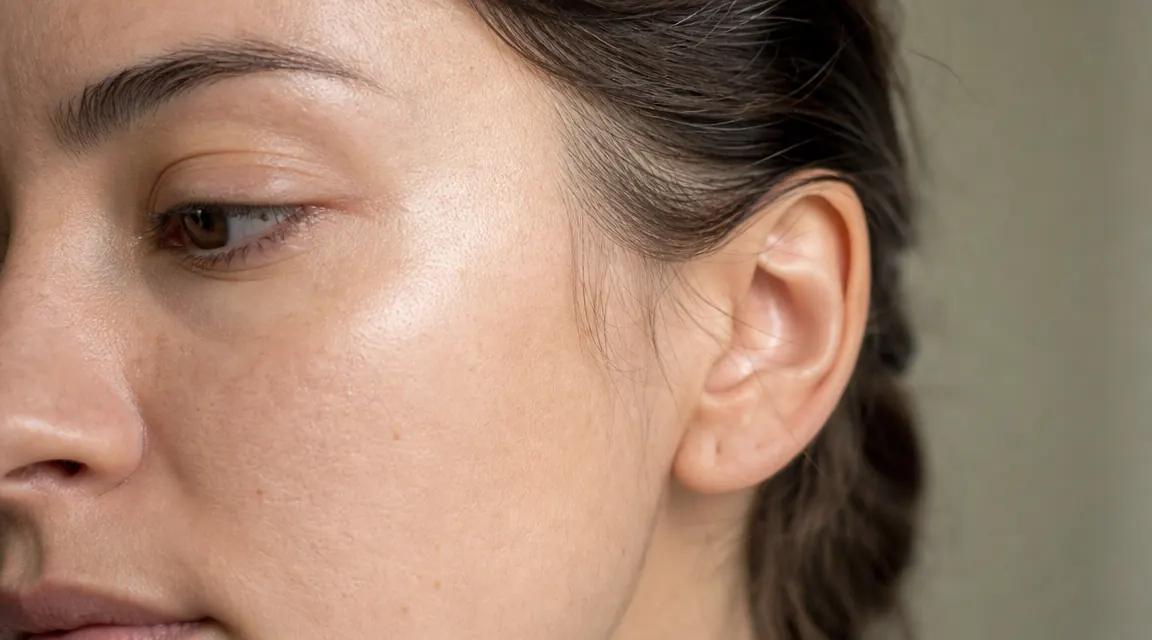
I tracked my skin weekly using five markers I use with all retinol tests: surface texture on the forehead, visible pore size on the nose, fine-line softness at the outer corners of my eyes, overall skin tone evenness, and dryness or flaking at the jaw. I did not photograph under flash because flash flattens everything and produces misleading before-and-afters. I used natural morning light, same window, same angle.
One important note on my skin: combination, with a reactive tendency. I flush easily. Past retinol serums at 0.3 percent concentration have given me two to three weeks of mild redness and one memorable purging breakout across my chin in week five. I went into this expecting something similar.
What Makes the Encapsulated Formula Different
Most retinol serums deliver retinol directly. It is active on contact, which is why you feel it working, but also why it can be irritating. CeraVe uses an encapsulated delivery system, where the retinol is wrapped in a tiny lipid shell that releases slowly as it interacts with skin. The retinol is still there at the same concentration, but it reaches lower skin layers more gradually. This is not unique to CeraVe, several prescription-adjacent formulas use similar technology, but it is rare at this price point.
What this means in practice: weaker immediate tingling, slower onset of visible results, and notably lower rates of irritation for people who normally cannot tolerate retinol. In my sixteen weeks, I had zero flaking, no redness past the first two weeks of mild adjustment, and no cystic breakout. That last part surprised me. I had prepared for the purge.
The formula also includes niacinamide, which supports barrier function and helps with uneven tone, plus three ceramides, which are the same ones in CeraVe's most popular moisturizers. Together they work to shore up the skin barrier while the retinol does its work. The combination makes sense. Retinol speeds up cell turnover, which can temporarily compromise barrier integrity. Ceramides help maintain it. It is a well-considered formulation.
Month-by-Month: What Actually Changed
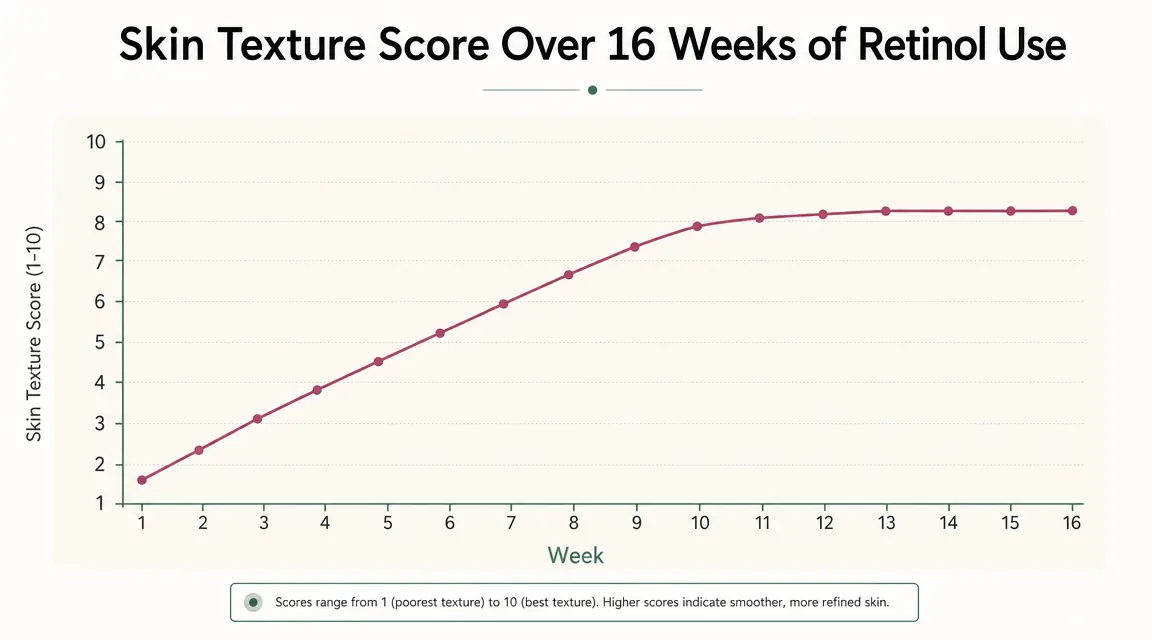
Weeks one through three were quiet. The serum absorbed quickly, slightly thicker than water, with a faint clinical smell that faded in about thirty seconds. My skin felt no different and looked no different. I started to wonder if the gentle delivery was too gentle.
Weeks four through six brought the first observable change: skin texture on my forehead started to feel smoother under my fingertips in the morning, before moisturizer. Not dramatically smoother, but the slight bumpiness I have had on my forehead for years was visibly less pronounced. At week five I also noticed that my skin tone looked more even across my cheeks. I had some light hyperpigmentation from a hormonal breakout six months earlier. It was fading.
By week ten, the fine lines at the outer corners of my eyes were softer. Not gone. Softer. That distinction matters when you are deciding whether to keep buying a $20 serum.
Weeks seven through ten were the most encouraging stretch. Surface texture continued improving. The fine lines at the outer corners of my eyes, the ones I started tracking week one as a baseline, were measurably softer. I tested this by looking at the same morning light photographs side by side. The lines were still present, but shallower. The skin around them looked more even in tone and more compact in texture.
Weeks eleven through sixteen, the pace slowed. This is normal with retinol. The significant structural work happens in the early-to-mid period of consistent use. By month four I had plateaued at a noticeably improved baseline. My skin looked smoother, more even-toned, and firmer around the cheekbones than it did in September. The fine lines at the corners of my eyes were softer but not gone. My pore size did not change. That is honestly what I expected. Retinol supports skin renewal; it does not alter pore size or perform anything dramatic.
The Tradeoffs Worth Knowing Before You Buy
The encapsulated delivery means slower results. If you have used a prescription retinoid or a higher-concentration over-the-counter retinol before, you will find this serum underwhelming in the first six weeks. The payoff is that your skin stays calm while it works. For experienced retinol users who have already achieved the improvements they want and are maintaining, this formula may feel like a step backward in potency. It is built for the beginning-to-middle of the retinol journey, not for maintaining results that required stronger actives to achieve.
The texture is also worth noting. It layers under moisturizer easily, does not pill, and plays nicely under SPF in the morning if you happen to use it then instead of at night. The pump dispenses a consistent amount. My one functional complaint: the bottle is not fully opaque. Retinol degrades with light exposure. CeraVe uses a dark pump bottle that limits but does not eliminate light penetration. Store it in a drawer or cabinet, not on an open shelf under bathroom lighting.
Price is also a real factor in how people approach this serum. At current pricing, it is a fraction of comparable retinol serums from prestige brands. A Paula's Choice retinol at similar concentration costs three times as much. If you want a full comparison of those two, I wrote one up: see the CeraVe Retinol Serum vs Paula's Choice Retinol piece. But the short version is: the CeraVe performs comparably on sensitive skin and does not require a significant budget.
What I Liked
- Encapsulated retinol delivers noticeably less irritation than most comparable serums
- Niacinamide and ceramides support barrier health while retinol does its work
- Absorbs quickly without leaving a film under moisturizer
- One of the lowest price points for a properly formulated retinol serum
- Over 27,000 Amazon ratings at 4.6 stars, consistent across a wide range of skin types
Where It Falls Short
- Results appear more slowly than standard-delivery retinol formulas
- Bottle is not fully opaque; store away from direct light
- Not potent enough for users who need to maintain results built with stronger actives
- Faint clinical scent in the first few seconds after application
How This Compares to Other Retinol Serums I Have Tested
I have used six retinol serums over the past three years in a testing capacity. The ones that produced the fastest visible results also produced the most irritation. The RoC Retinol Correxion line, which uses a direct retinol delivery without encapsulation, gave me faster texture results in weeks three to five but also gave me a two-week window of surface flaking that made wearing anything on top of it difficult. Differin, which is adapalene and not technically retinol but works similarly, was more potent and required a four-week adjustment period that included one full cycle of purging.
The CeraVe sits in a specific position: it is the one I would recommend to someone who has tried and abandoned retinol once before because of irritation. The encapsulated format addresses the most common reason people quit. It is also the one I would recommend to someone who is unsure whether retinol will work for their skin. The risk of a bad reaction is low enough that the experiment is worth running.
For more background on what retinol actually does for fine lines and why dermatologists keep recommending it despite newer ingredients, the 10 reasons retinol serum smooths fine lines piece covers the mechanism in plain language.
Who This Is For
This serum is well suited for people who are new to retinol and want to introduce it without risking a month of adjustment irritation. It is also a strong pick for anyone with sensitive or reactive skin who has been told by a dermatologist to try retinol but has not been able to find a formula they can tolerate. If your skin gets red easily, flushes in the wind, or has a history of rosacea-adjacent reactivity, the encapsulated delivery is worth choosing over a standard formula. It is a practical option for combination and oily skin types as well, since the lightweight texture does not feel heavy or occlusive. Mature skin will appreciate the ceramide content alongside the retinol.
Who Should Skip It
If you have been using a prescription retinoid or a 0.5 percent or higher over-the-counter retinol for more than six months and are happy with where your skin is, this serum will feel like a regression. The encapsulated format delivers a slower, gentler experience, which is a tradeoff. Anyone looking for a very fast, visible result and who can tolerate stronger actives will do better with a higher-concentration product. Also skip it if you have any active skin infection or open irritation. Retinol, even gentle formulas, will make existing inflammation worse.
Four months in, I am still using it. That says more than a rating.
The CeraVe Anti Aging Retinol Serum with encapsulated retinol, niacinamide, and three ceramides is available on Amazon. With over 27,000 reviews and a 4.6-star average, it is one of the most consistent performers in its category at this price.
Amazon Check Today's Price on Amazon →